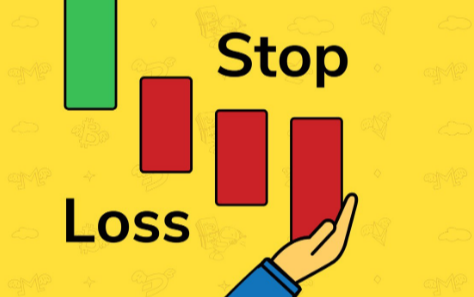

Stop-losses in crypto trading function as pre-set exit points to cap downside. They require a data-driven, risk-focused approach, selecting type and level based on volatility, liquidity, and personal tolerance. Traders size positions and define triggers with objective criteria, then monitor for slippage and market context. Regular review keeps strategies auditable and repeatable. The key question remains: how to tailor these protections to different assets and moments in the market to avoid eroding capital?
What a Stop-Loss Is and Why It Matters in Crypto
A stop-loss is a predetermined order that automatically closes a crypto position when the market price reaches a specified level, limiting potential losses. The mechanism embodies disciplined risk control amid crypto volatility, providing measurable exit points and repeatable processes.
Analysts note stop loss misconceptions, emphasizing that these orders manage downside, not eliminate risk, and support freedom through systematic capital protection.
Choosing the Right Stop-Loss Type for Crypto Trading
Choosing the right stop-loss type hinges on how a trader defines risk tolerance and market structure.
A data-driven approach compares volatility, liquidity, and drawdown history to determine suitability.
Risk-reward analysis guides method choice, while position sizing calibrates exposure.
Systematic evaluation reduces emotion-driven errors, enabling freedom to trade across environments with disciplined, transparent risk controls and consistent performance expectations.
Practical Steps to Set Effective Stop-Loss Levels
Effective stop-loss levels are established through a structured, data-informed process that aligns with defined risk tolerance and market context. The approach emphasizes risk management principles, combines systematic price triggers with position sizing, and evaluates stop loss psychology to reduce emotional bias. It also mandates liquidity checks, ensuring exits occur at reliable levels without slippage or abrupt market impact.
Common Pitfalls and Advanced Tweaks for Risk Management
Common pitfalls in risk management arise when traders overlook context, misinterpret volatility, or overfit based on historical data. Systematic tweaks emphasize quantified thresholds, adaptive position sizing, and scenario testing. Avoid overreliance on single indicators; diversify across assets to enhance resilience. Portfolio diversification reduces correlation risk, while risk management frameworks enforce guardrails, limits, and disciplined review, supporting sustainable growth with auditable, data-driven decisions.
Frequently Asked Questions
How Often Should I Review Stop-Loss Levels?
The reviewer conducts a weekly risk assessment, determining adjustability of stop-loss levels based on volatility and position sizing. Regular reviews ensure alignments with evolving risk appetite, capital constraints, and market conditions, preserving freedom while maintaining disciplined, data-driven safeguards.
Can Stop-Loss Protect Against Gap Risks in Crypto?
Stop-loss may mitigate some, but not all, gap risk in crypto; sudden moves can bypass triggers. It provides partial protection, yet risk persists. Tax implications arise, requiring systematic review, transparency, and data-driven decision-making for freedom-seeking traders.
Should I Use Fixed or Trailing Stop for Volatile Coins?
A fixed stop is preferable for defined risk, while a trailing stop suits volatile coins seeking upside freedom; systems should quantify volatility, backtest thresholds, and balance drawdown tolerance to determine which method aligns with risk appetite and strategy metrics.
Read also: Mars Exploration: Technology Making It Possible
Do Stop-Losses Impact Tax Reporting or Accounting?
A charted ship rides fog; stop-losses do influence tax reporting vs accounting, shaping how events are recorded, but not ethics of automation. The analysis remains data-driven, risk-focused, systematic, preserving freedom while clarifying regulatory navigation.
How to Set Stop-Loss When Holding Through Forks or Airdrops?
A prudent approach is to set stop-loss levels around fork mechanics and airdrop timing, aligning with risk tolerance; it emphasizes liquidity, volatility, and event-driven gaps, ensuring exits precede uncertain fork outcomes and preserve freedom to adapt.
Conclusion
In the quiet arithmetic of risk, the stop-loss acts as a disciplined constant, rarely altering market fate yet steadily protecting capital. The data-driven routine—set, monitor, adjust—reduces surprise and aligns outcomes with predefined tolerances. Coincidences emerge: a volatility spike mirrors a breached threshold, a liquidity dip matches slippage warnings, a drawn-down curve echoes prior backtests. The result is a systematic safeguard, not a bet, keeping portfolios aligned with risk budgets and repeatable performance.


 By
By